







From the yearly musical to multiple music performances, The Baldwin School’s arts program is thriving. Yet, despite its excellence, the performing arts often go under-recognized, facing challenges and conflicts with other departments at the school. As Baldwin’s arts community continues to flourish in talent, there are calls from both students and faculty for more conversation about resources.
The arts at Baldwin are more than just extracurricular activities, or a class to earn an “easy grade.” They are a place for all students to unwind from the stressful school environment, whether through attending a play or performing in a creative class. Arts can teach important life skills other subjects can’t demonstrate as easily.
For example, the social aspect of the arts is a significant means for students to collaborate with others and form strong relationships.
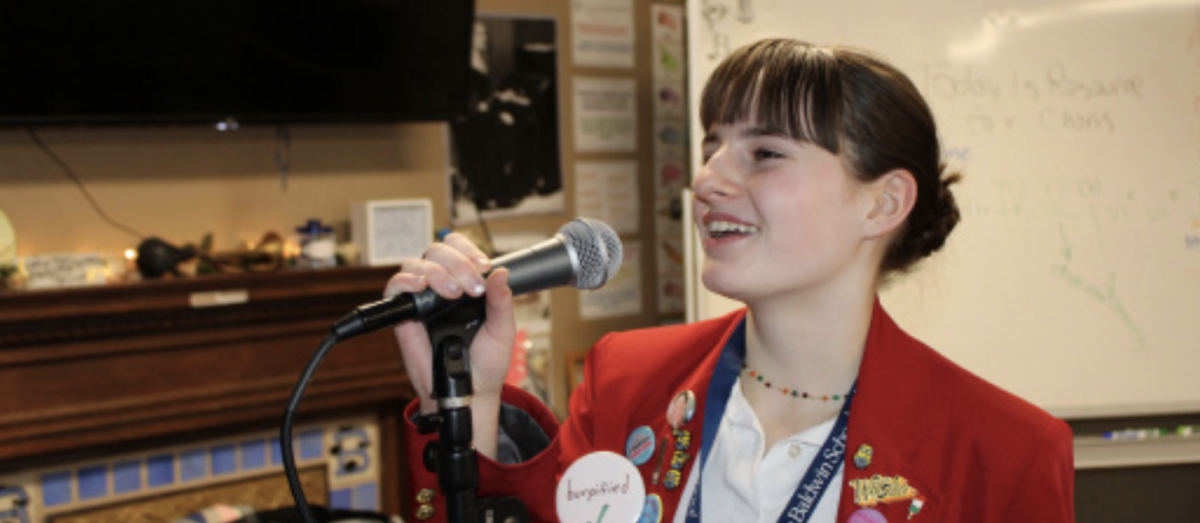
The Baldwin B-Flats, an auditioned a cappella group, is an example of strong community and consistent excellence.
Caroline Didizian ‘27, a member of the B-Flats, described how her experiences with performing have given her confidence in herself as well as public speaking. Didizian also mentioned that being in the group gave her the ability to listen and collaborate with others, especially in a vulnerable setting like a cappella.
“In B-Flats we learn how to work together really, really well because in order for us to be successful as a group, each individual person has to think about everyone else around them and not just themselves,” Didizian said. “It provides a great sense of selflessness, because you always have to be thinking about other people.”
This sense of unity and purpose has strengthened as Baldwin’s arts programs have gained momentum.
Since the pandemic in 2020, the middle and upper school lacked consistent teachers for music and drama. Now that there is consistency in the faculty from year-to-year, the value of these electives is restored and the performing arts are flourishing.
Cleo Hill ‘27, who plays Jesus in Baldwin’s fall musical, Jesus Christ Superstar, is enthusiastic regarding the theater’s recent growth.
“We have started pushing a lot of boundaries that may not have been pushed before, and [Mr. Dibble] definitely wants people to see us as true artists,” Hill said. “I think that’s really beautiful, and he definitely has a very positive impact on our community.”
Hill also described how students are starting to be taken more seriously, especially by doing more mature and complex shows in the theater.
Still, students face challenges that reflect a broader need for institutional attention. Hill mentioned that the promotion for Jesus Christ Superstar has been difficult for the members of the show to manage, especially due to the controversial name and topic of the material. She also observed how the main advocates for the performing arts are often students themselves rather than adults.
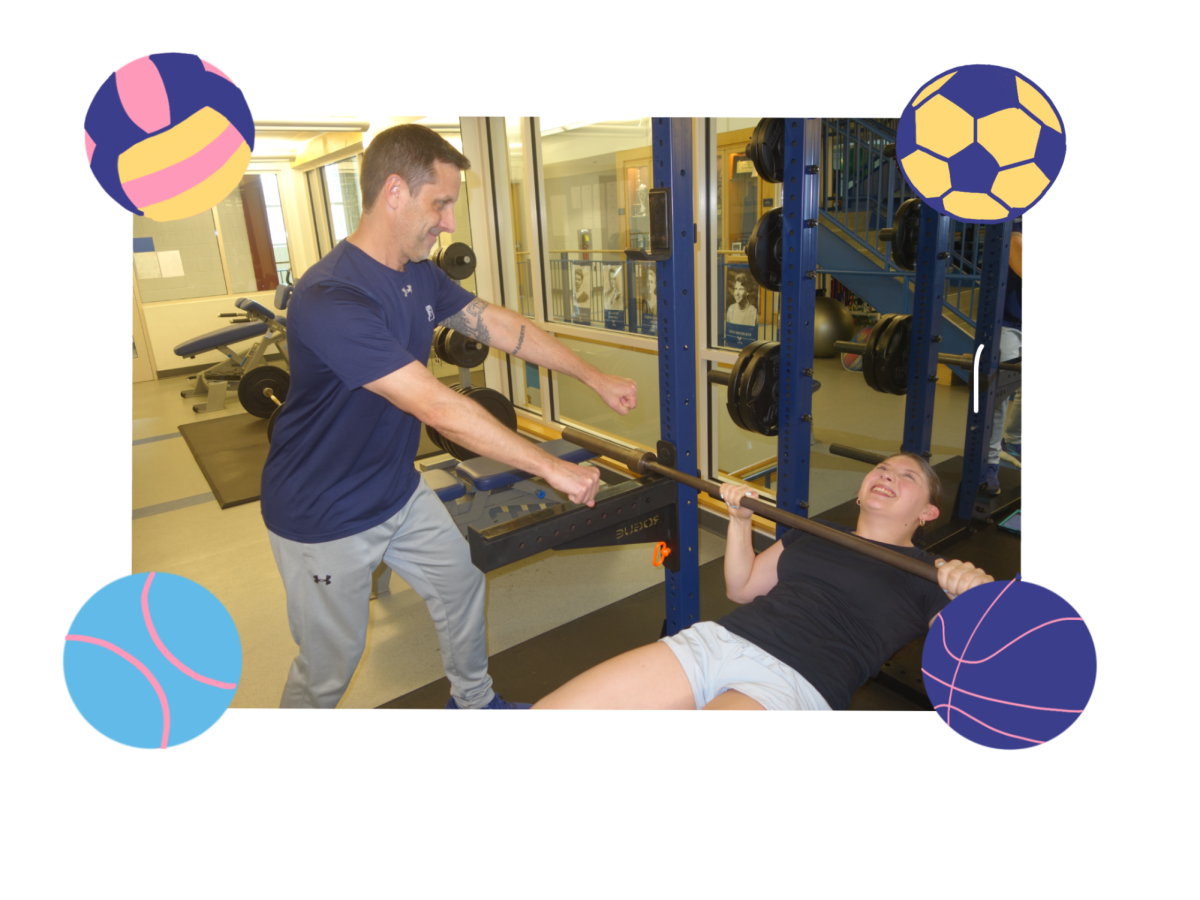
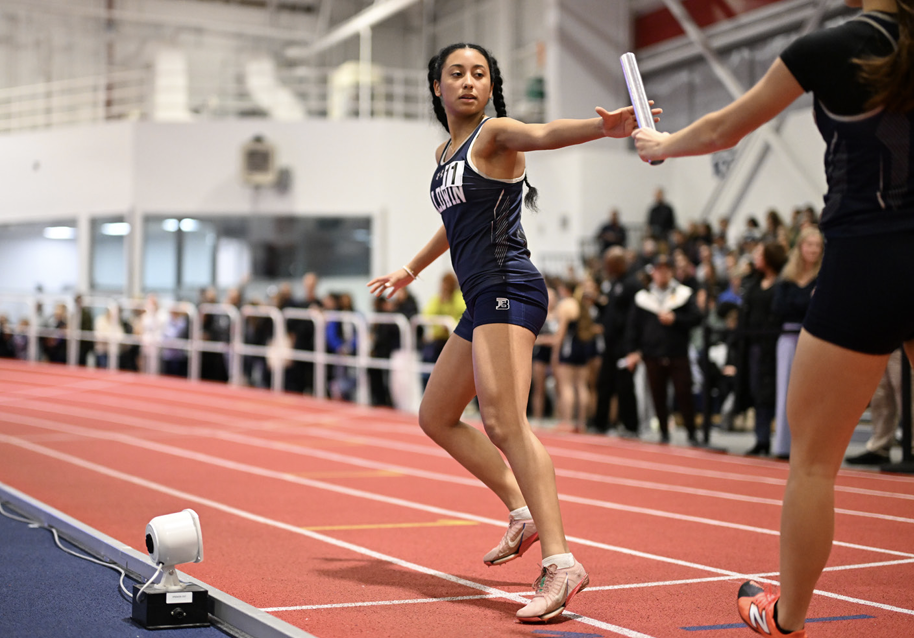
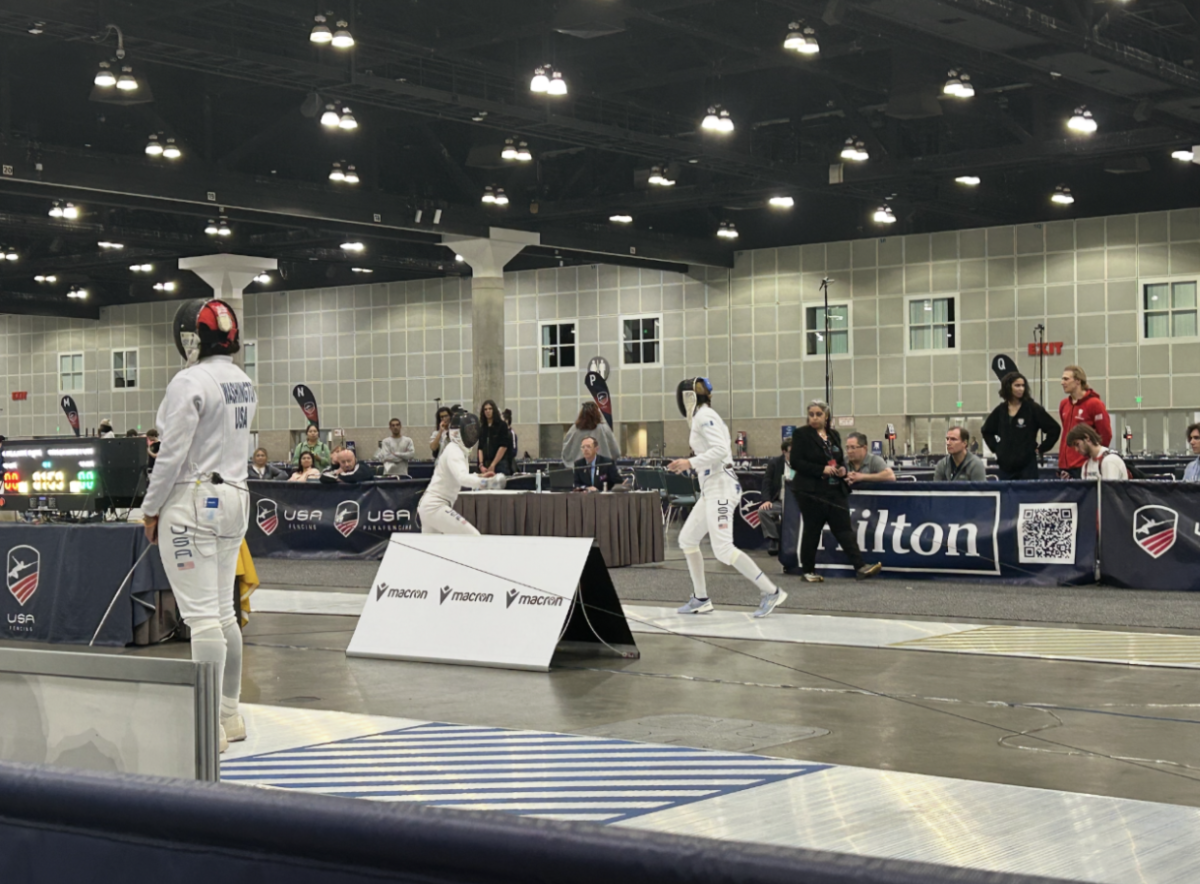
Didizian and Hill both emphasized challenges in communication between the arts and athletics departments. For high schoolers that wish to participate in any sport and art, there are constant scheduling conflicts. This forces students to miss important games or performances and takes away from being fully involved in the activity.
However, Meg Glascott-Birch, the Director of Athletics, has another perspective about this issue. She believes that the Athletics Department cares a lot about supporting student athletes in the theater and prioritizing their well-being.
“To help balance these commitments, coaches and directors work together to coordinate schedules and minimize conflicts whenever possible,” Mrs. Glascott-Birch said.
Nevertheless, students such as Didizian and Hill have had a variety of experiences navigating conflicts. Although there are some efforts to reduce the amount of conflict that occurs between departments, most of these efforts are done by the students themselves. It is especially difficult for students to continuously communicate with both departments, which is an issue that could be resolved if the departments could coordinate schedules with each other.
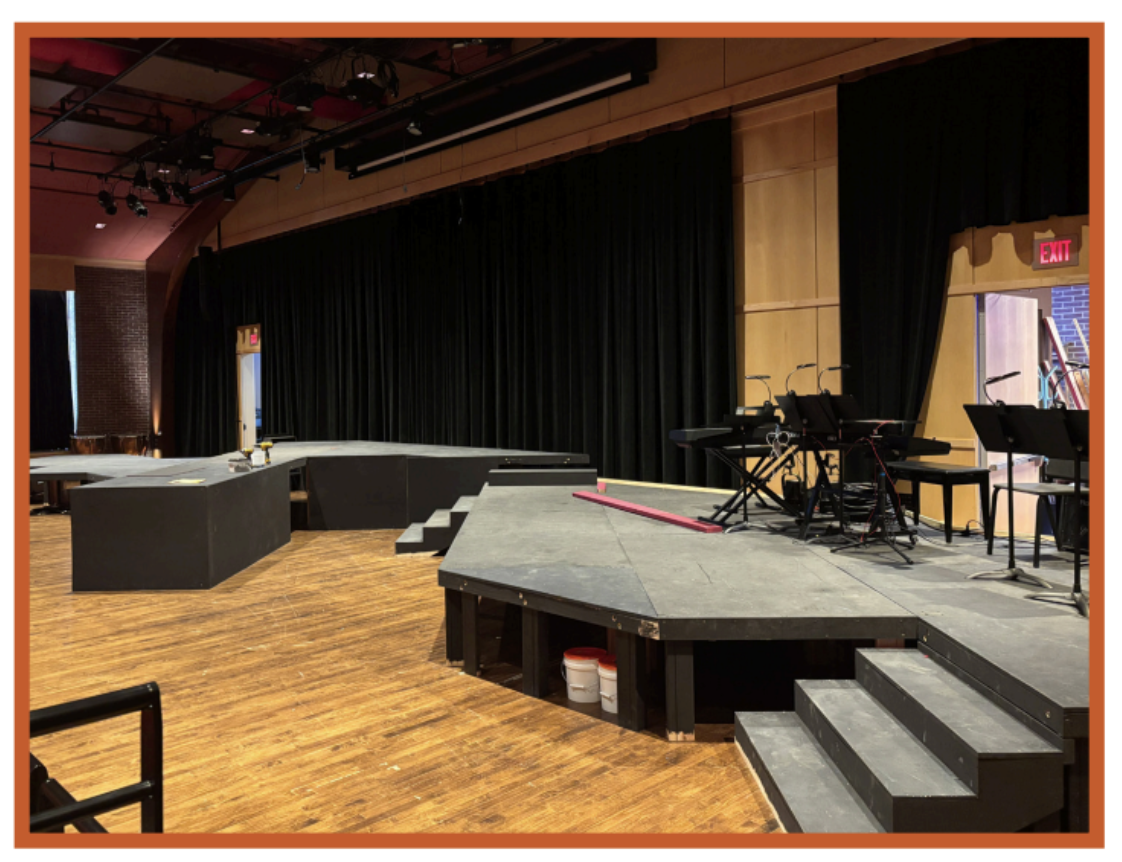
Mr. Ben Dibble, who teaches drama and directs school productions, has thoughts on potential upgrades to the Simpson Center, and how they would benefit the performing arts.
“We’re ready for some upgrades, and I would love to be able to do that in terms of our sound and our lighting so we can really make sure that it’s still doing everything we need it to do,” Mr. Dibble said. “We need to figure out how to kind of expand and really maximize the space there so it can continue to be as dynamic as we need it to be.”
The arts are a substantial aspect of developing young women to be as successful as possible, which is ultimately Baldwin’s main goal. In order for our performing arts programs to truly flourish, resources and communication must be adapted to fit student needs.